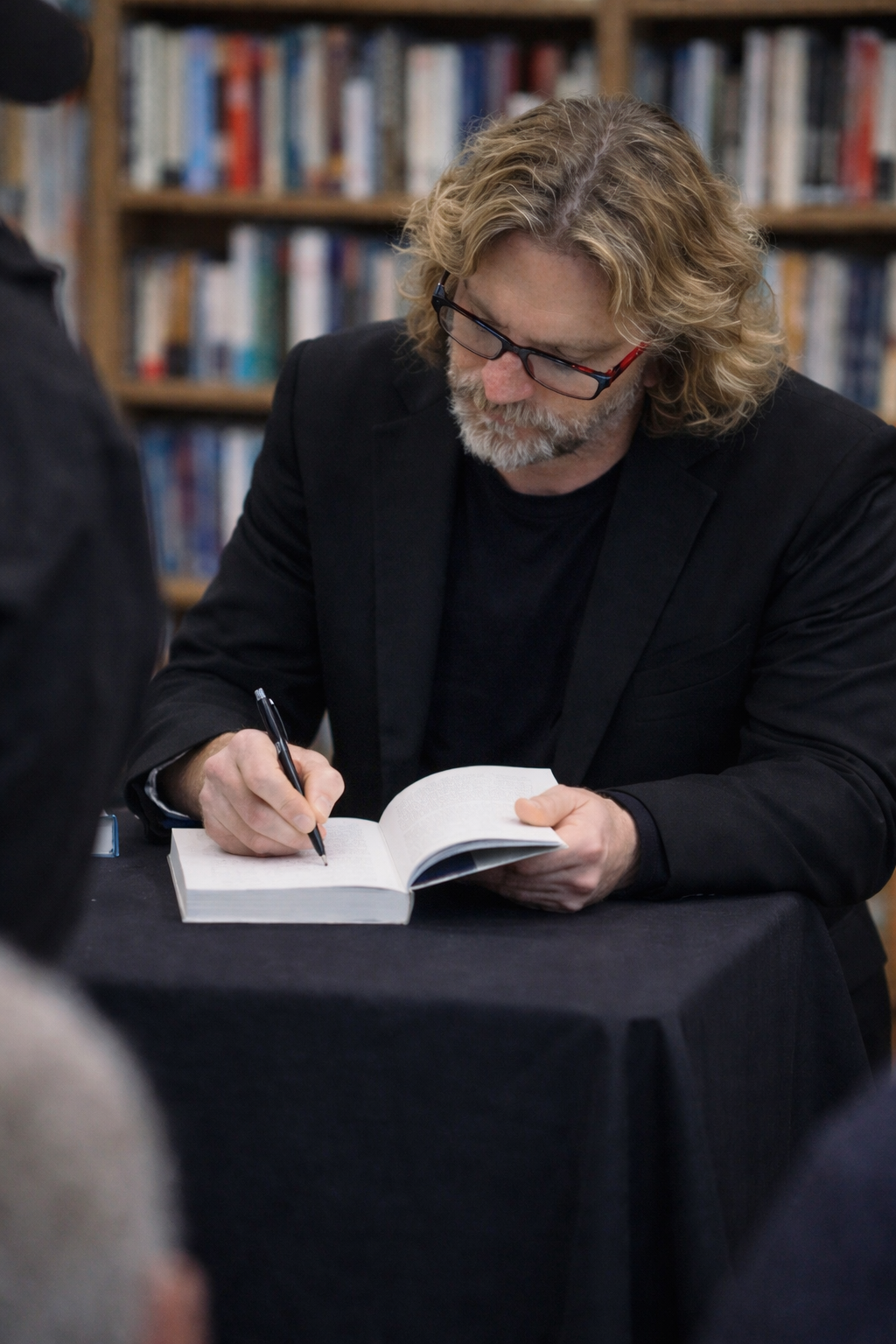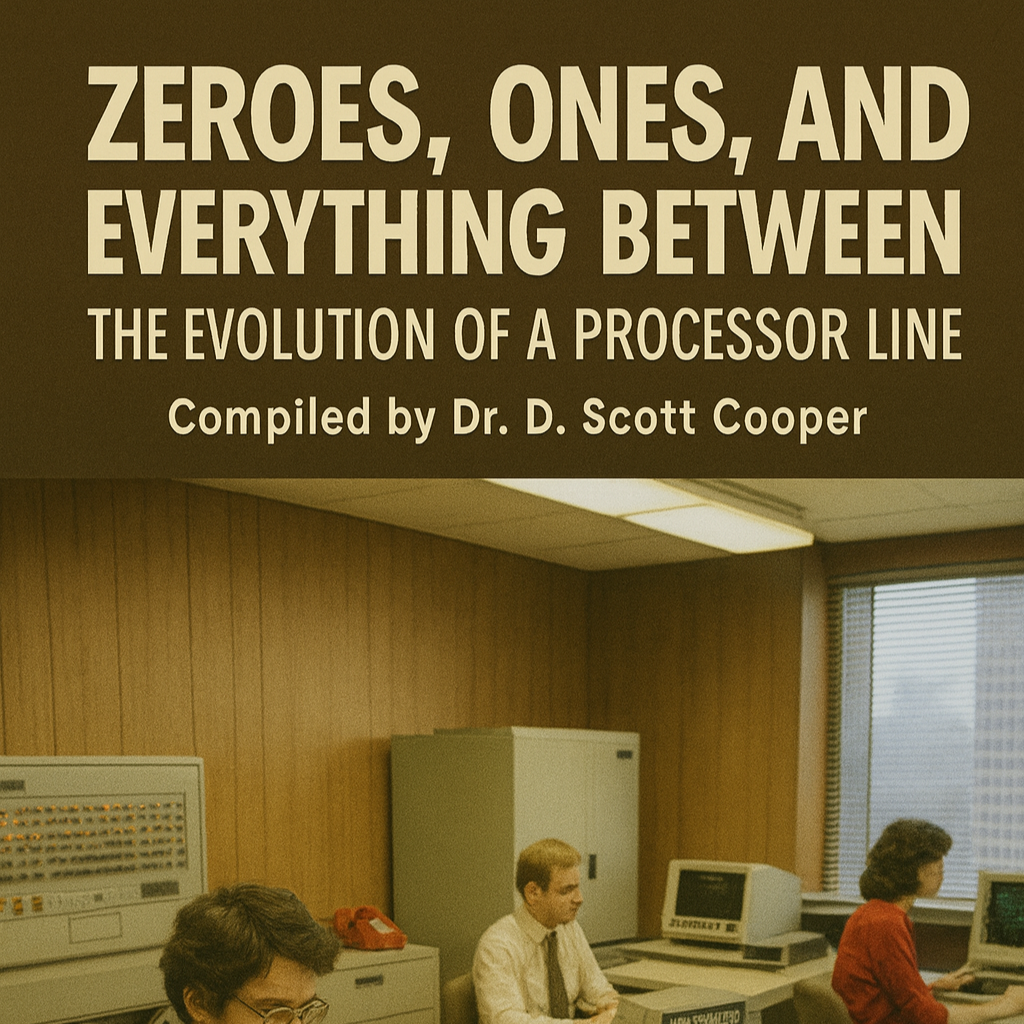
Over the course of my career, I have published a range of books that explore history through the lenses of culture, technology, and human experience. My work is grounded in rigorous historical methodology while remaining accessible to students, educators, and general readers who seek to understand not only what happened in the past, but why it mattered—and why it still does. Across these publications, I emphasize the use of primary sources, contextual analysis, and narrative clarity to bring historical moments, innovations, and individuals into sharper focus.

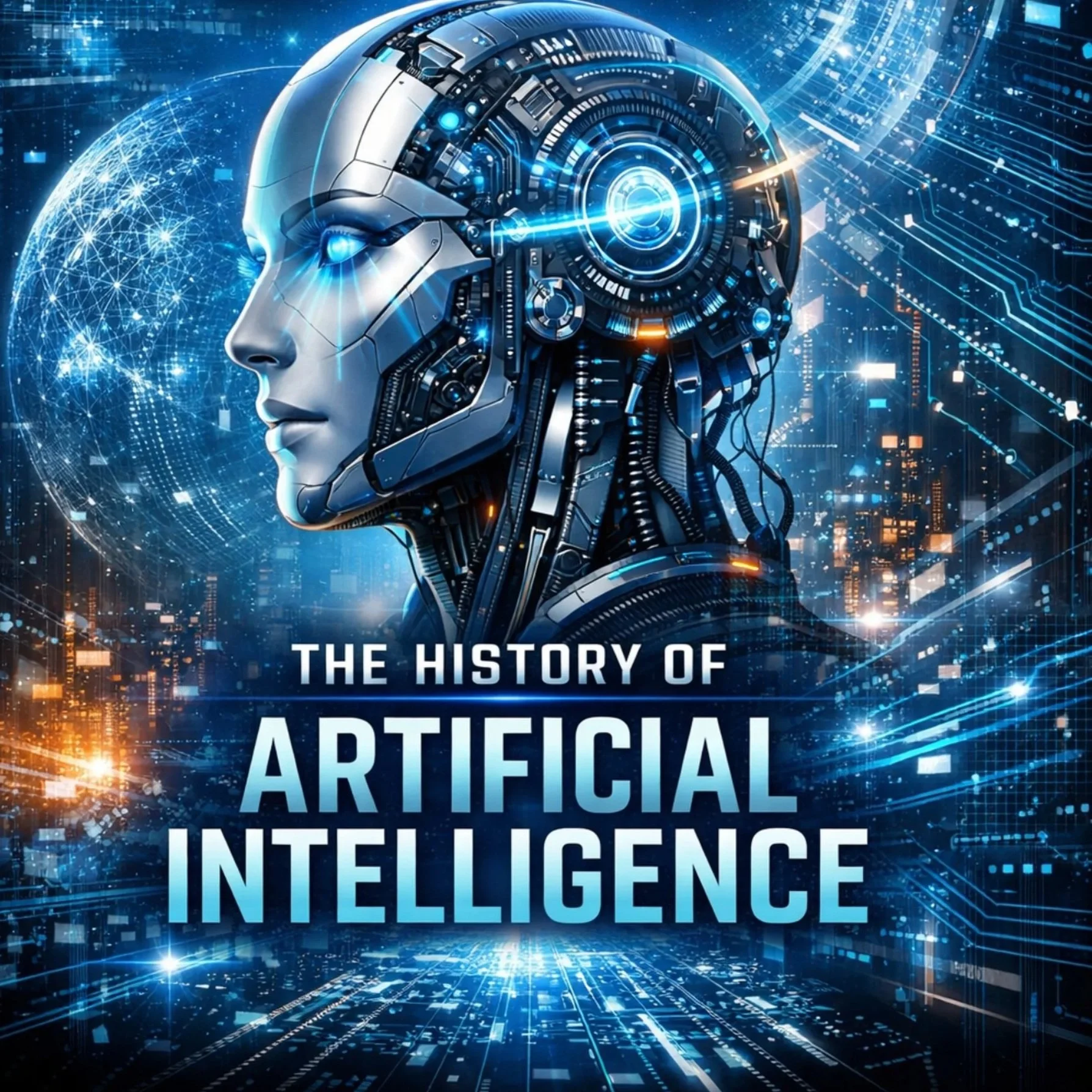
In recent years, the landscape of historical research and writing has undergone a profound transformation due to advances in artificial intelligence and digital tools. AI has reshaped how historians locate, analyze, and interpret sources, allowing for faster discovery of archival materials, improved pattern recognition across vast datasets, and new ways of synthesizing information without replacing the critical judgment of the historian. My more recent work acknowledges and engages with this evolving reality, examining how emerging technologies can enhance historical inquiry while still demanding careful ethical consideration, transparency, and scholarly rigor.

Rather than viewing AI as a replacement for traditional historical practice, my published works treat it as an evolving research aid—one that expands possibilities while reinforcing the historian’s responsibility to interpret, contextualize, and question evidence. By integrating modern research tools with established historical standards, my books reflect a discipline that is both rooted in tradition and responsive to change. Together, these publications represent an ongoing commitment to thoughtful scholarship, effective storytelling, and the belief that history remains essential in an increasingly digital world.